
All solutions

Drip-irrigation systems

Design, supply and installation of drip-irrigation systems — EU-funding ready.

A complete system for cereals, vineyards, orchards or vegetables: hydraulic sizing, bill of materials, costing, turnkey installation. With soil-moisture sensors on a compatible controller, the system can water when the soil needs it instead of on a fixed timer.

1 ha
minimum area; smaller on request
2–4 weeks
from order to the installed system
1 year
warranty on the whole system, components and labour
Turnkey
design, materials, installation and the funding file
One dry summer on one farm

Where the water ran short first

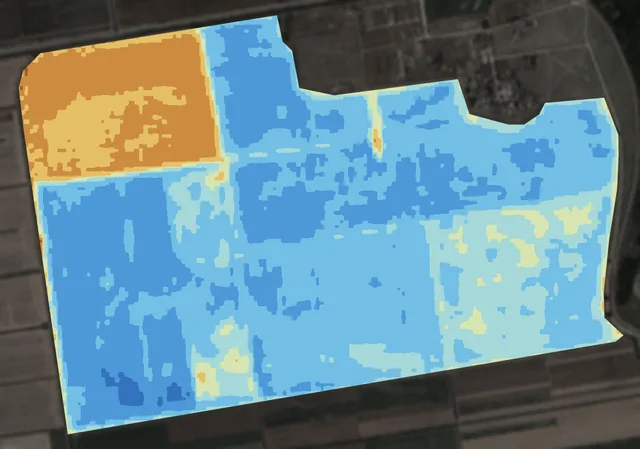
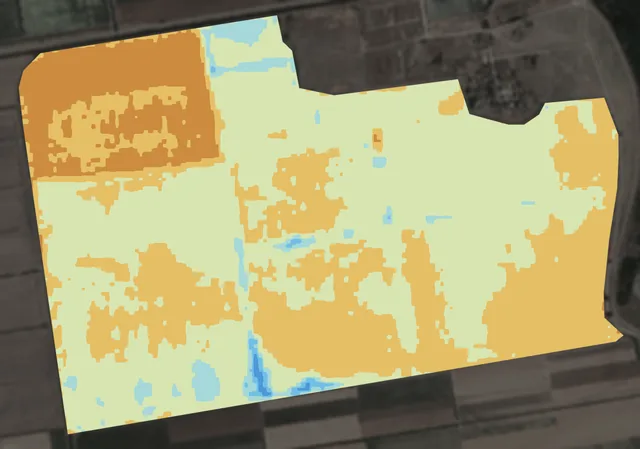
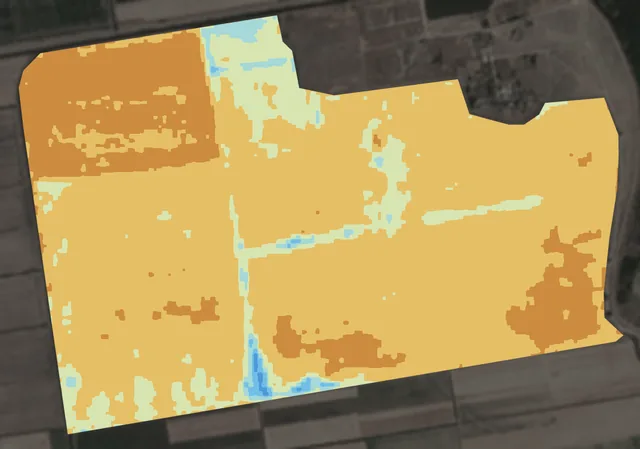
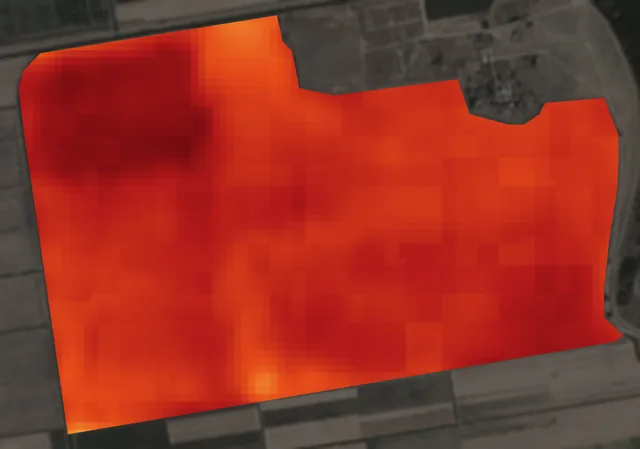
The same 320 hectares in the Bărăgan plain, summer 2025: the water-stress map field by field, and the weather that caused it. Scroll: the map follows each step.

  1. 1

    June brought 4 mm of rain

    In June and July together the farm had 40 mm of rain, while the weather could have evaporated 368 mm.

    On 18 June the growing fields still had water. Field A shows dry because it was harvested that week.

    What you do: Know the water deficit before the crop shows it.

    rain a day (30 mm and more drawn at the top)highest temperature, 0–40 °Ca day the alert would have gone out
    severe stressenough water
  2. 2

    Fields E and F ran short first

    E and F went into water stress on 2 July; C and D followed on 12 July.

    E and F, 95 hectares together, were short of water ten days before their neighbours.

    What you do: Irrigate first where the map shows stress first.

    severe stressenough water
  3. 3

    Field B held out three to four weeks longer

    B went into water stress only on 1 August. On 14 July, a heatwave day, it was 1–2 °C cooler than the fields around it.

    Same weather, same farm: the soil and the crop make the difference, and the map shows it.

    What you do: Don’t water every field the same: the map shows which ones hold their water.

    40 °C56 °C
  4. 4

    Size a system for the field that needs it

    Field E is 50.7 hectares, field F 44.5.

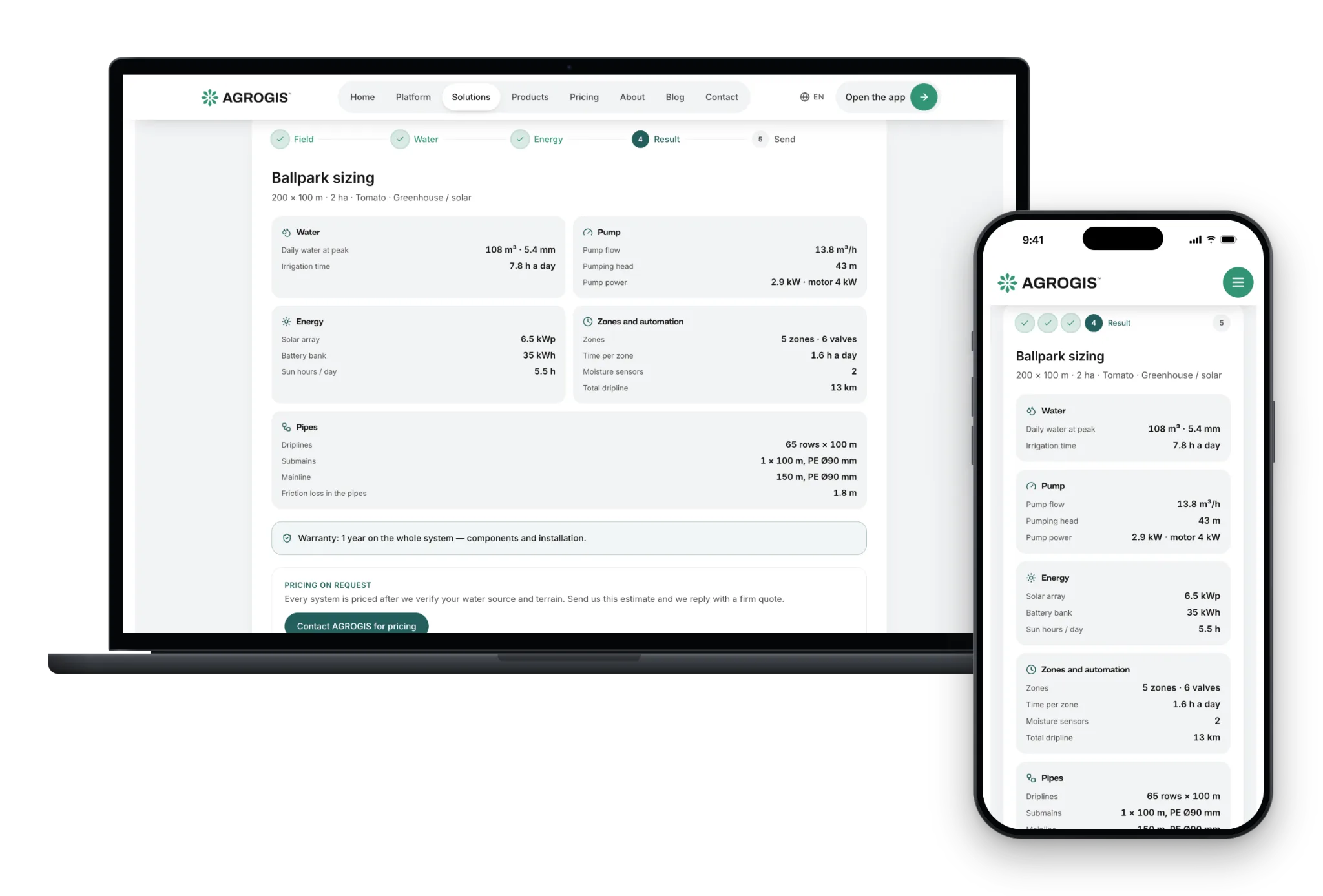
    Enter a field’s length and width, the crop and the water source in the estimator below: it works out the water, the pump, the pipes and the solar power.

    What you do: Get a first sizing, then a firm quote from our team.

    Open the estimator
    severe stressenough water

Weather: ERA5 reanalysis at the farm’s coordinates (Open-Meteo historical archive). Alerts: the app’s own rules and default thresholds applied to what happened; in the app they run on the forecast, a day or two ahead. Maps from 2025 Sentinel-2 and Landsat 9 images. Contains modified Copernicus Sentinel data 2025. Landsat: USGS.

Size your system

Enter your field's length and width, the crop and the water source — the estimator returns the technical sizing: pump, pipes, zones, dripline, sensors. Pricing comes from our team after a site visit.

  1. 1Field
  2. 2Water
  3. 3Energy
  4. 4Result
  5. 5Send

Tell us about your field

Field size

m
m
= 2 ha

The driplines lie along the rows. Long rows need more feeding points and a longer main pipe.

What you get

Everything you need to make field decisions based on data — not assumptions. Features included in this solution:

  • / 01

    Automatic hydraulic sizing in the simulator

  • / 02

    Help with EU and national funding applications

  • / 03

    Pumps, filters, fertigation, hydrants, PE pipes — full bill of materials

  • / 04

    Turnkey installation with our team (or just the materials)

  • / 05

    Pairs with soil-moisture sensors for automatic irrigation

  • / 06

    1-year warranty on the whole system — components and labour

How it works

How it works, step by step, from the first message to the result.

  1. 1

    Use the estimator

    Right on this page, enter your field's length and width, the crop and the water source. The estimator returns the technical sizing instantly — pump, pipes, zones, dripline.

  2. 2

    Site visit

    Our team takes hydraulic measurements, checks the water source and lays out the final plan.

  3. 3

    Firm quote + funding file

    You get the final costing and, if needed, a complete funding application file.

  4. 4

    Installation in 2-4 weeks

    Trench digging, pipe installation, pump connection, pressure calibration. We deliver turnkey.

  5. 5

    Sensors and controller set up

    After installation we connect the soil-moisture sensors to the irrigation controller, so cycles can follow actual soil moisture. Irrigation cycles are not shown in the AGROGIS app yet.

Technical details

For anyone who wants the exact numbers: sources, frequency, formats. For anything else, write to us.

Crops
Cereals, vineyards, orchards, vegetables, herbs
Minimum area
1 ha (smaller on request)
Components
NaanDan, Netafim, Rivulis (budget-dependent)
Funding
Checked against the funding calls open at the time
Installation lead time
2-4 weeks from order
Warranty
1 year, components and labour

Frequently asked

  • How much does an irrigation system cost per hectare?
    Pricing depends on your water source, terrain and crop, so we quote after verifying the parcel. Use the estimator for the technical sizing and contact AGROGIS for a firm offer.
  • Is it eligible for EU funding?
    Often, but it depends on the funding calls open at the time and on your farm. We check which current EU or national programme fits your project and help with the paperwork.
  • Can I use water from a well / lake / river?
    Yes, for all three. River or lake sources need a water-management permit (we help). For wells we test flow with a pumping test.
  • Can irrigation be scheduled automatically?
    Yes. With a compatible controller (Hunter, Rain Bird) and soil-moisture sensors, the system starts on its own when soil moisture drops below a threshold. The cycles run on the controller; they are not shown in the AGROGIS app yet.
  • How much water does drip save vs traditional irrigation?
    Drip usually needs less water than sprinkler or flood irrigation; how much less depends on the soil, the crop and how the old system was run. We size yours from your own parcel.

Ready to start?

Try it on your own parcels, or tell us what you need — we reply within one business day.